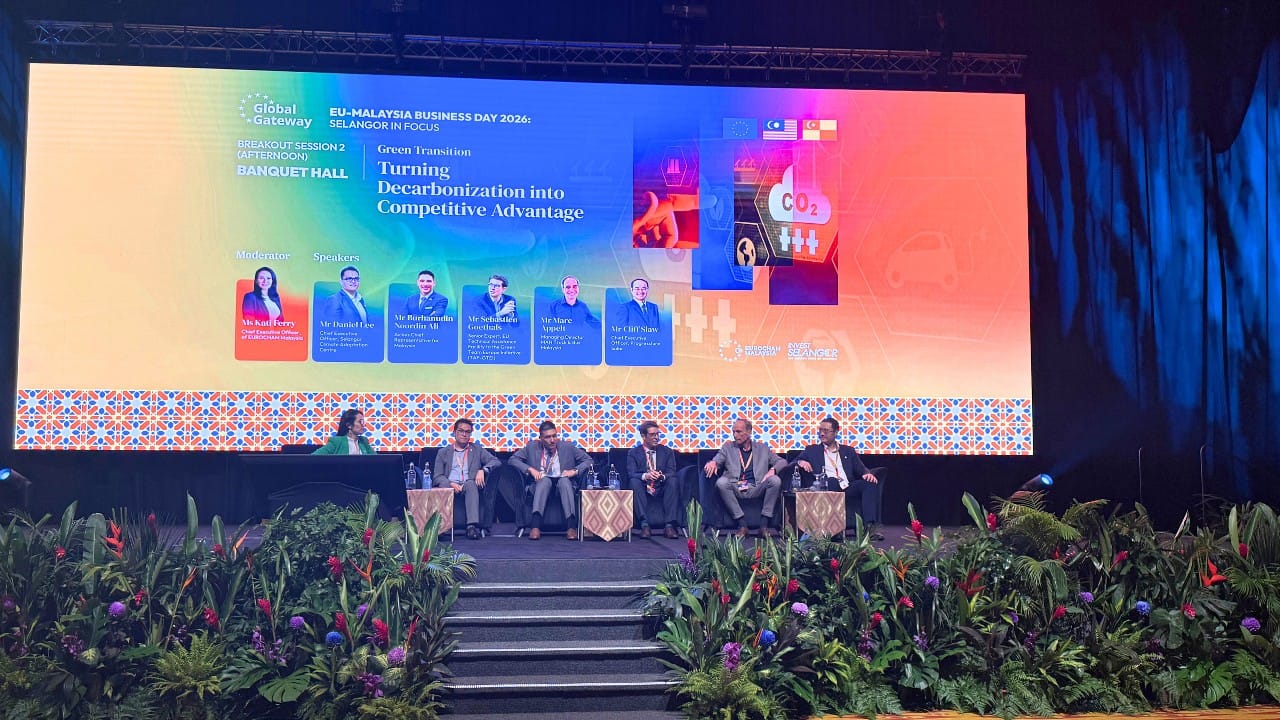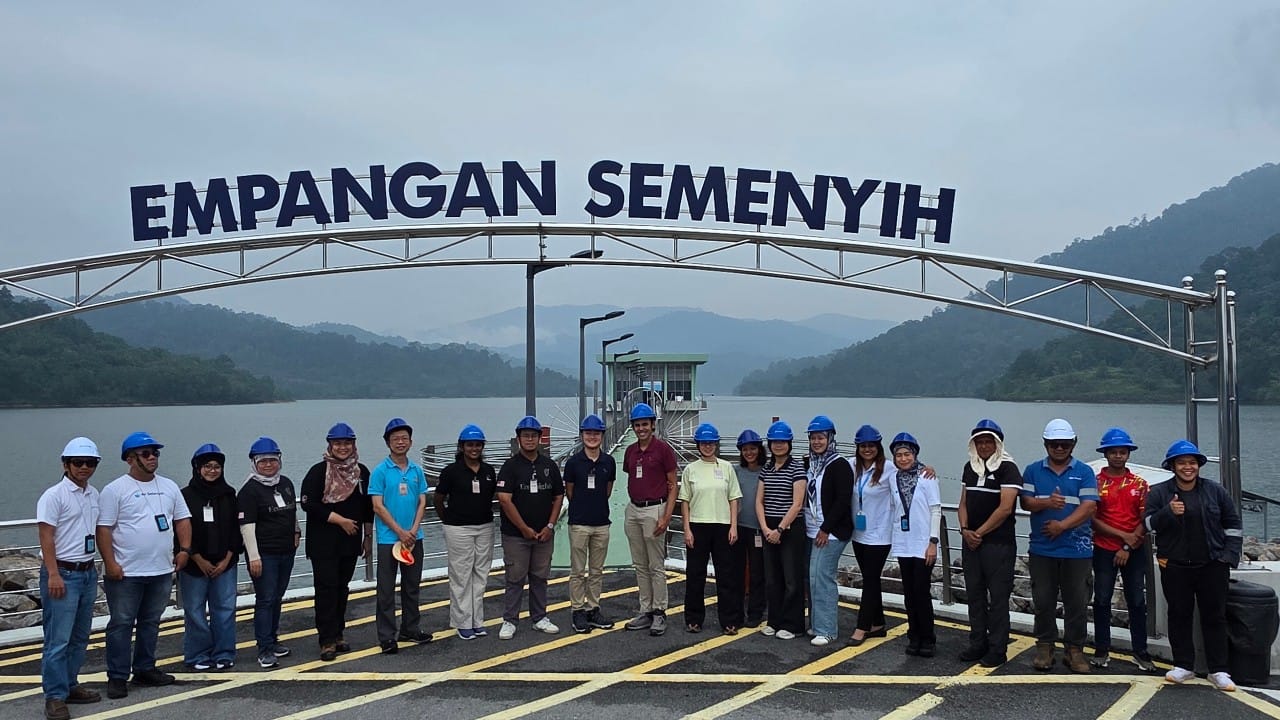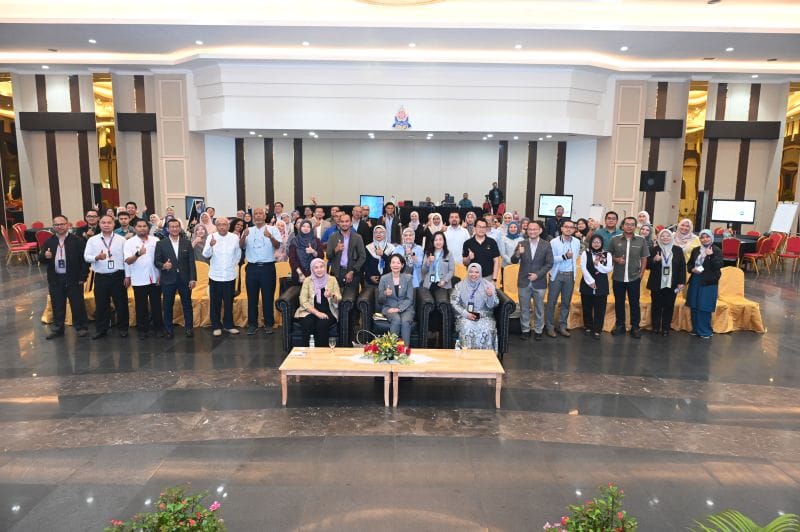
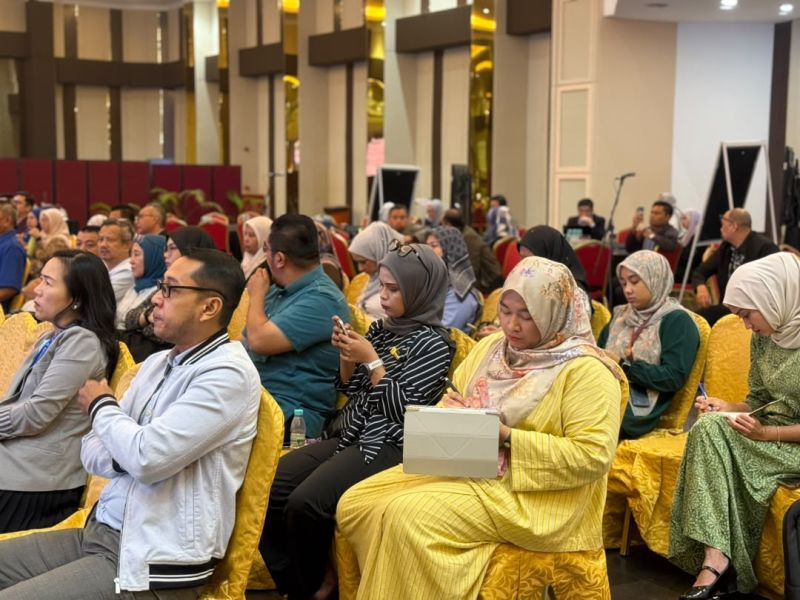
The Selangor Climate Adaptation Centre (SCAC) participated in the first Focus Group Discussion for the preparation of the Planning Guidelines for Sponge Cities, Kajian Garis Panduan Perancangan (GPP) Pelaksanaan Bandar Lestari Air (Sponge City), organised by the Research and Development Department of PLANMalaysia.
Cities That Absorb, Slow and Store Water
For SCAC, exploring climate solutions also means examining how cities can strengthen their resilience to a changing climate. The discussion highlighted how Sponge City approaches can integrate shade, greenery, permeable surfaces and water-sensitive systems to reduce urban heat, retain and slow stormwater runoff, and ease pressure on existing drainage infrastructure. By restoring the natural ability of urban surfaces, particularly soil, to absorb and infiltrate rainwater, cities can better manage increasingly intense rainfall.
This is becoming increasingly important as temperatures rise. A warmer atmosphere can hold approximately 7% more water vapour for every 1°C of warming, creating conditions that can intensify heavy rainfall. Urban cooling alone will not prevent extreme rainfall, but integrating green and blue infrastructure can help cities better manage its impacts.
Green, Blue and Brown Elements
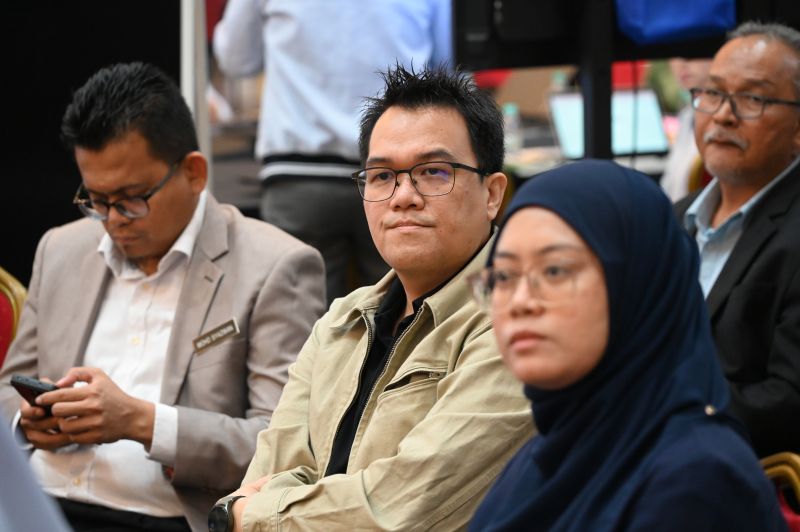
During the discussion, participants were divided into groups representing the green, blue and brown elements of a Sponge City. SCAC, represented by Mr Daniel Lee and Ms Aina Mardhiah, contributed perspectives on how climate information and nature-based solutions can be integrated into urban planning to strengthen local adaptive capacity.
SCAC looks forward to seeing these ideas translated into practical planning guidance and, ultimately, into more climate-resilient cities.
Photo courtesy of PLANMalaysia R&D and MBPJ.